Skip to content
Application field · Applied research

Sports Science & Medicine

EEG on the move · Athletic performance

Low-artefact EEG recording while running, jumping and exercising. g.tec's wearable EEG platform for research on athletic performance, motor learning and high-altitude medicine.

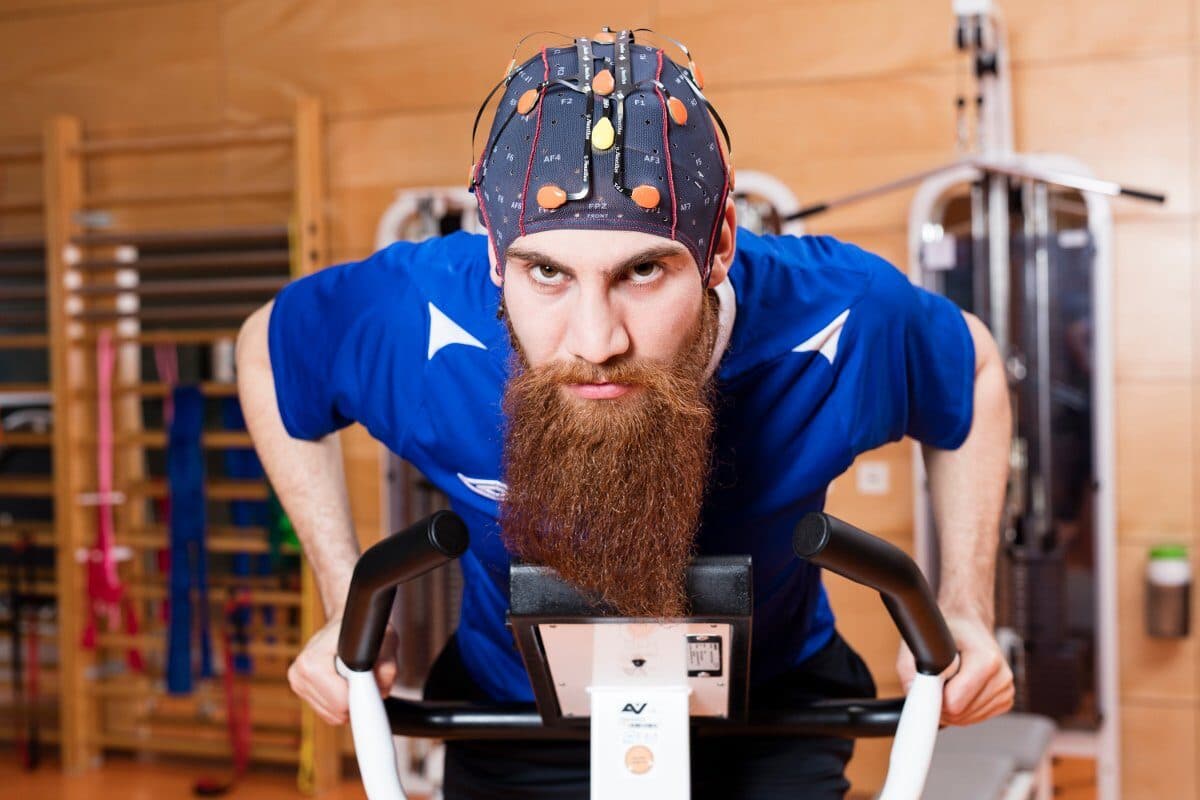
A bearded athlete in an EEG cap on an exercise bike
Sport and EEG

High-quality brain recording on the move.

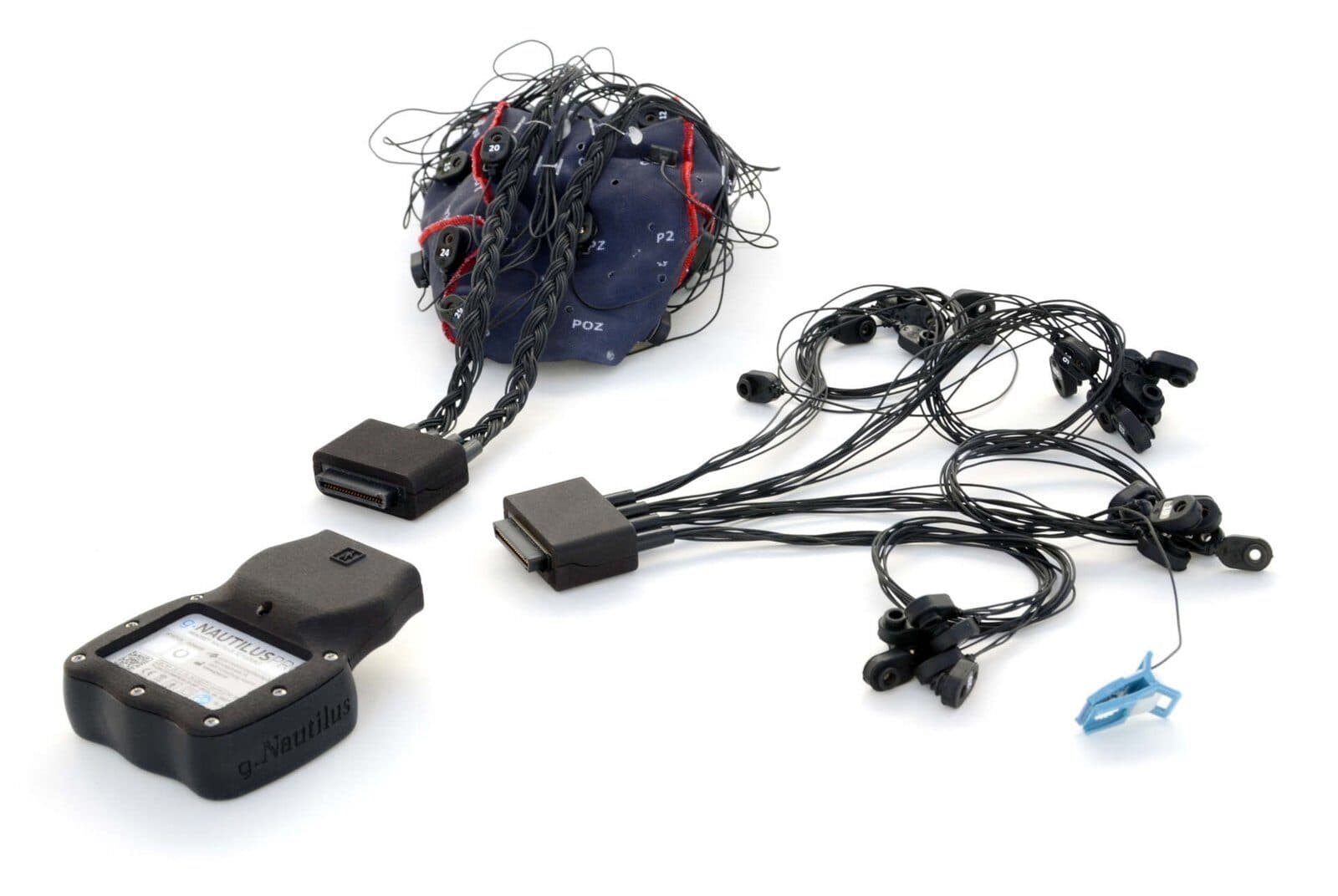
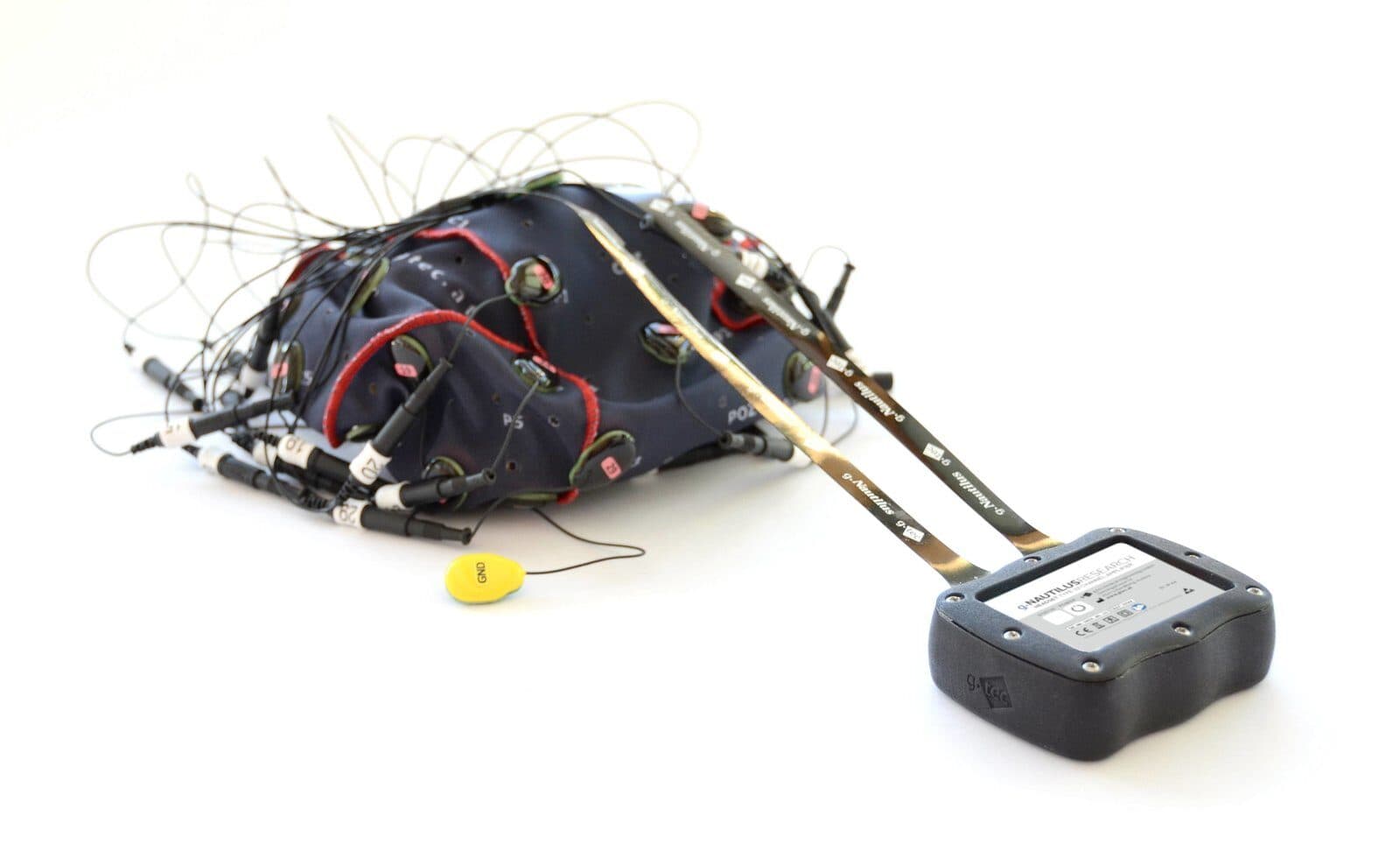
Light equipment is critical in sport; otherwise athletes are reluctant to wear an EEG device. g.Nautilus is as light as a climbing carabiner and extremely compact. In g.tec's live demo at Spring School 2020, Michael Schwarzgruber recorded a clean AEP (auditory evoked potential) with g.Nautilus during active exercise on an ergometer; a signal of only about 5–10 µV stayed visible throughout the exercise.

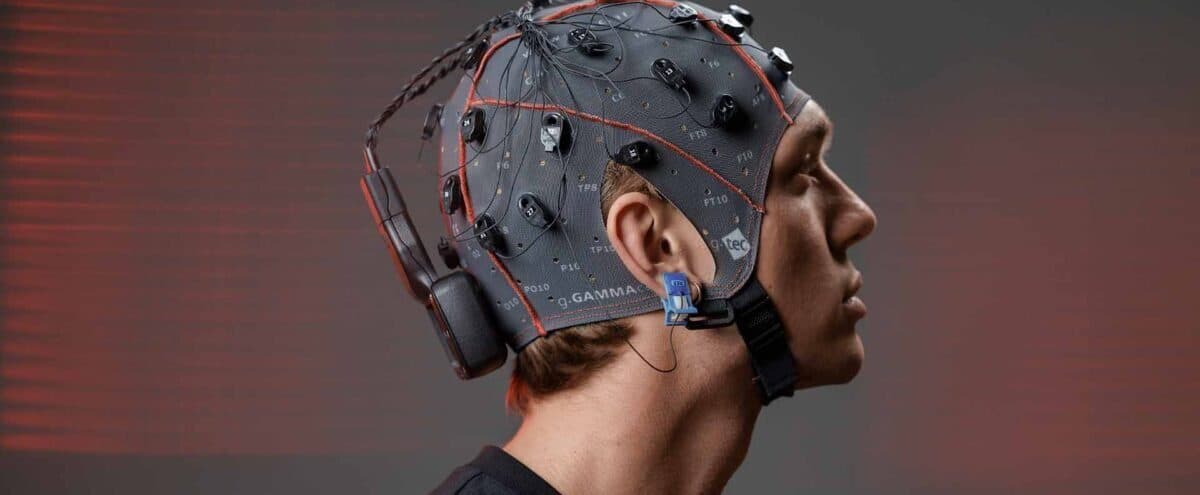
g.SCARABEO active wet electrodes make very good contact between scalp and electrode, giving low-artefact recordings even in fast sports such as running and jumping. g.SAHARA dry hybrid electrodes need no hair washing afterwards, which makes them ideal for high-altitude medicine and remote locations.
Live sport demo · Spring School 2020

ERP recording during exercise.

In the live demo, a participant exercising on an ergometer was presented with tones at different frequencies in a P300 paradigm. The AEP, computed with g.BSanalyze, was clearly visible even during exercise.

All EEG, ECG and respiration data were recorded simultaneously with Physio-Observer to compute heart rate, heart rate variability (HRV), alpha band power and breathing depth. A linear discriminant analysis classifier reached 92% overall accuracy, showing that whether a person is bored or overloaded can be determined in real time.

  • g.Nautilus Sports
  • Physio-Observer
  • AEP
High-altitude medicine

Brain recording on the summit.

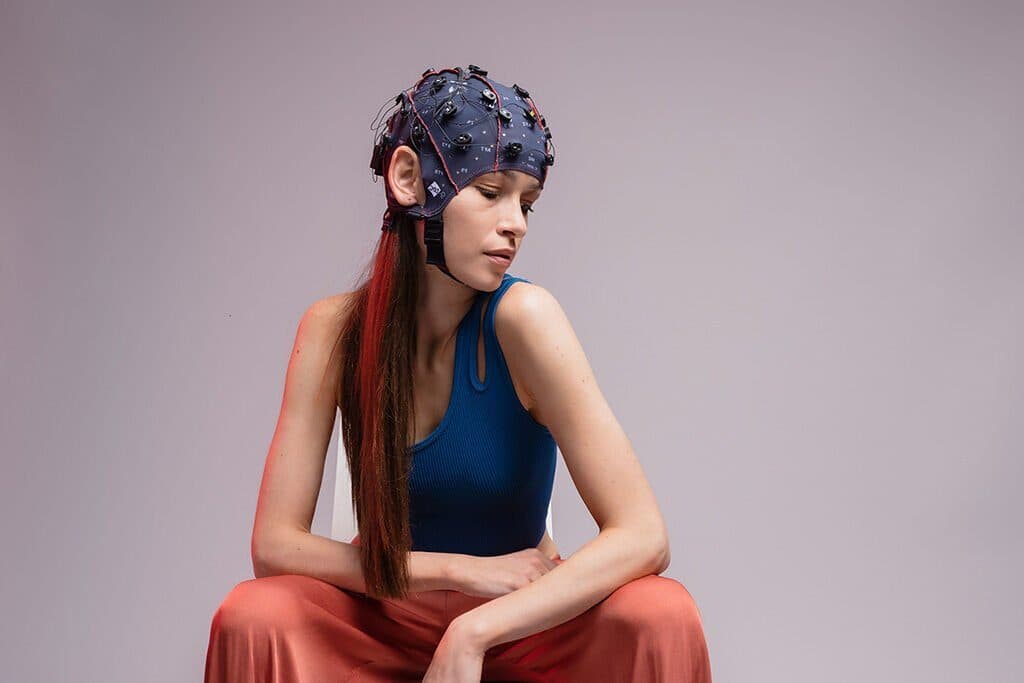
g.SAHARA hybrid active electrodes need no hair washing, which makes them particularly suited to high-altitude medicine. They are the choice in remote locations where washing hair is difficult, in long endurance sports such as mountain running, and in mountaineering studies of how oxygen deprivation affects cognitive function.

EEG and ECG recorded with g.Nautilus at altitude allow the effects of hypoxia on brain activity and heart rhythm to be assessed together. Identifying early neural markers of acute mountain sickness and studying the cognitive side of altitude adaptation are the main topics in this area.

  • g.SAHARA dry electrode
  • Hypoxia
  • EEG + ECG
Motor learning and neurofeedback

Athletic performance and motor learning.

In sports neuroscience, EEG tracks the neuroplastic changes in the motor cortex and cerebellum during skill learning. With g.Nautilus, the motor preparation (Bereitschaftspotential) and execution errors of experienced and novice athletes can be compared, and the neural markers of the optimal performance state known as “mind-body alignment” are studied with this platform.

Neurofeedback protocols aim to raise athletes' concentration by optimising the alpha/theta ratio. The effect of neurofeedback training on performance is being studied in precision sports such as shooting, golf and archery; the wireless design of g.Nautilus makes it possible to run these protocols in real training settings.

  • Motor cortex
  • Neurofeedback
  • Alpha/Theta
Physio-Observer and multiple biosignals

Whole-athlete monitoring with EEG, ECG and respiration.

g.tec's Physio-Observer module processes EEG, ECG and respiration simultaneously during exercise and computes heart rate, heart rate variability, alpha band power and breathing depth in real time. This multi-physiological profile shows the athlete's cognitive and physical state from moment to moment.

With ECG, EMG and GSR sensors on the 4 separable channels of g.Nautilus Multi-purpose, EEG activity, muscle activation, heart rhythm and skin conductance are recorded together. This profile is used for fatigue management and for early detection of overtraining syndrome and of the optimal performance state.

  • Physio-Observer
  • EEG + ECG + EMG
  • Real time
Applications

EEG research scenarios in sports science.

The main studies in sports science and medicine you can run with g.tec's wearable EEG systems.

Systems

The systems we recommend for this field.

Blog

Further reading

Applied research
Contact

Let's build your sports science EEG lab.

Our specialists will help you choose the right electrode type, channel count and additional sensors for your sport and your research conditions.

Request a quote

Call us +90 554 381 46 20Serving all of Türkiye · reply within 24 hours on working days