Skip to content
Application field · Applied research

Automotive Research

Automotive · Aviation · Neuroergonomics

Real-time EEG recording in vehicles, aircraft and flight simulators. g.tec's solutions for monitoring driver attention, fatigue and cognitive load.

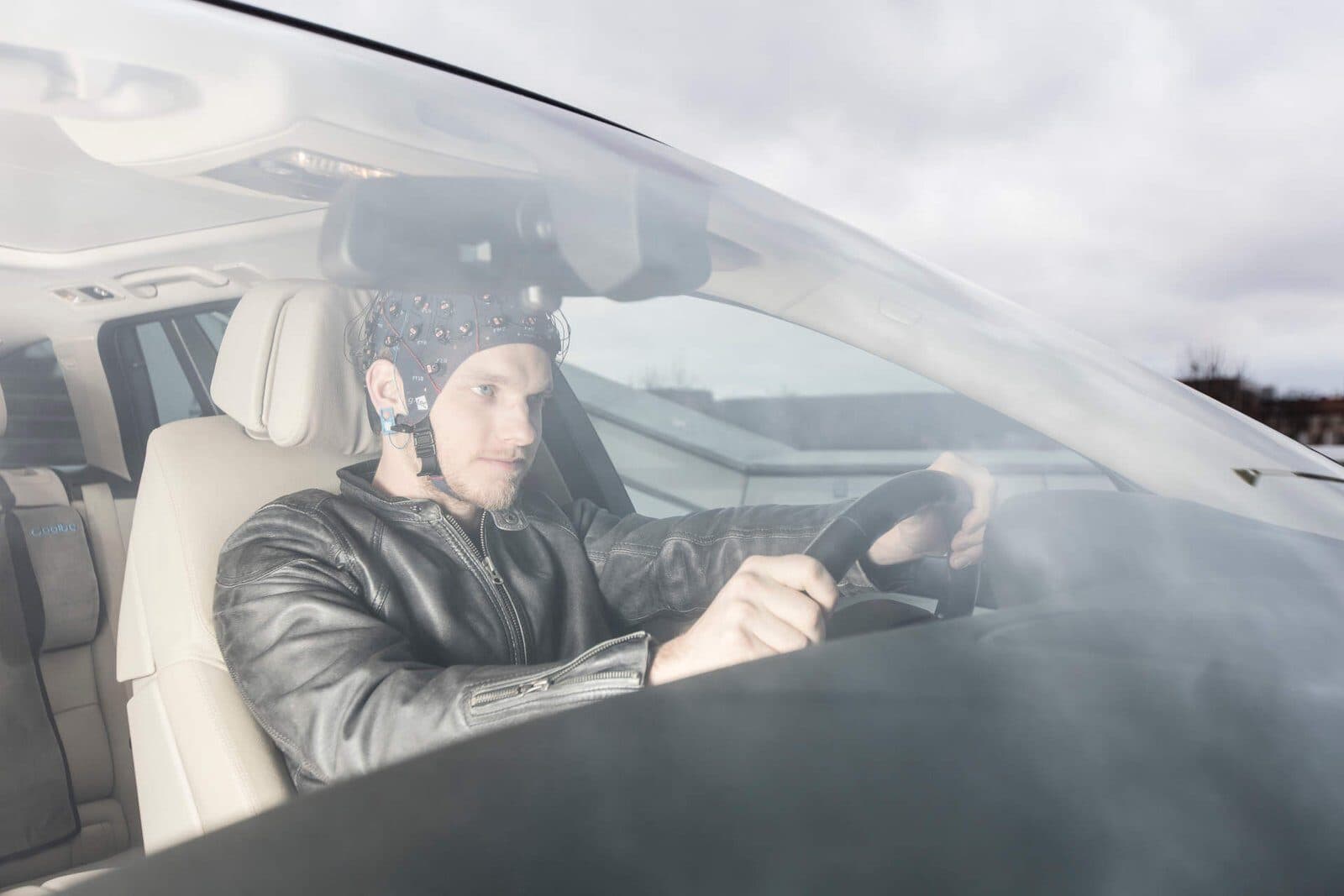
A driver wearing a wireless EEG cap at the wheel of a car
Neuroergonomics and automotive

Safer driving through brain signals.

Conventional driver monitoring systems rely on indirect methods such as steering movements or eyelid tracking. EEG-based systems detect fatigue and inattention directly from brain signals, in real time, long before behavioural signs appear.

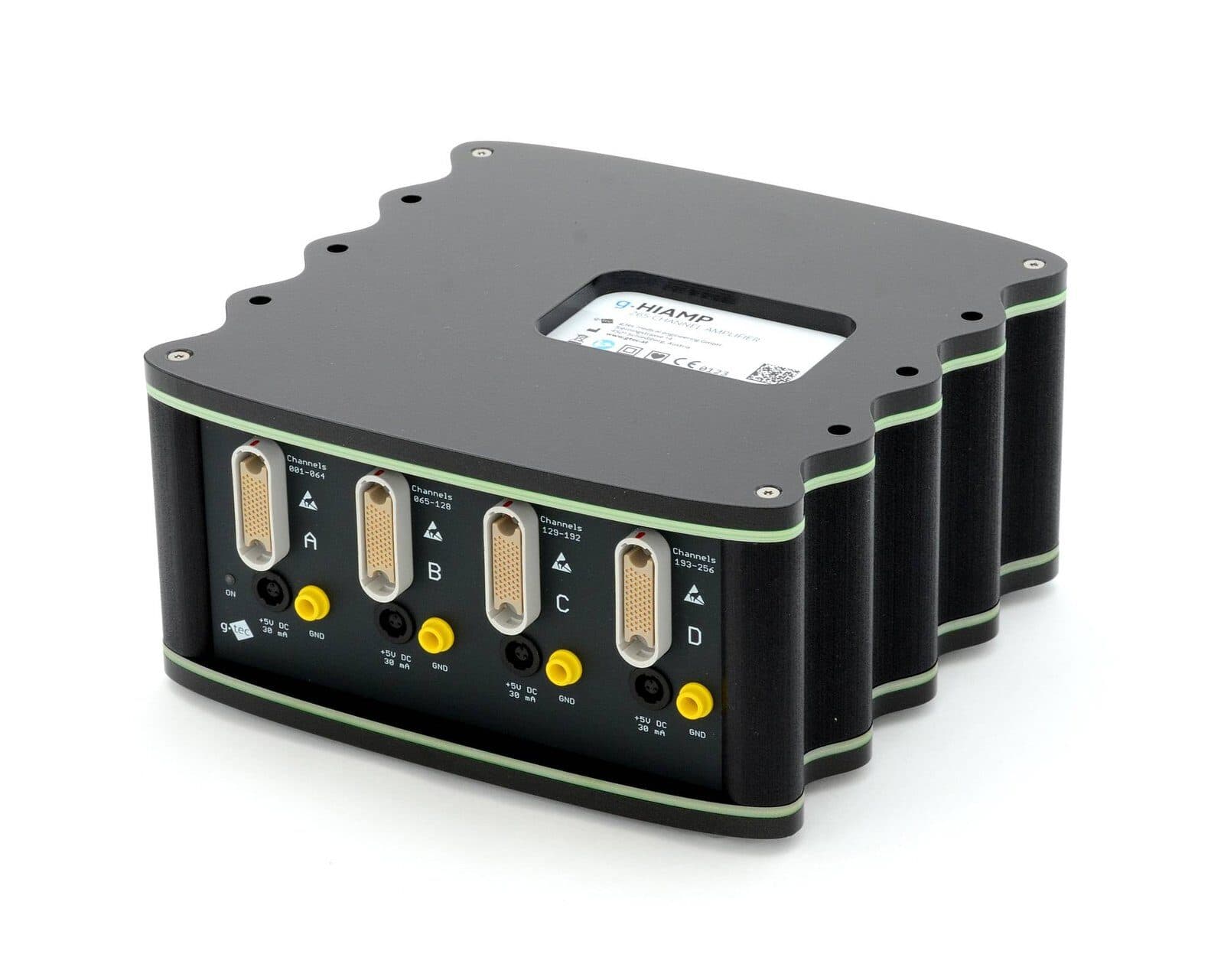
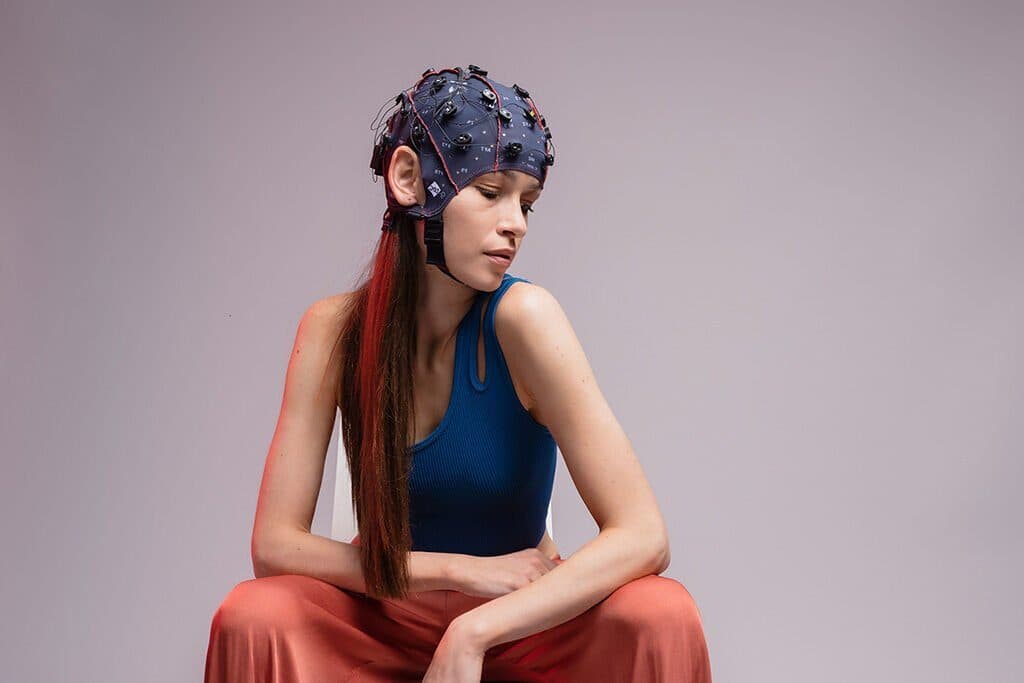
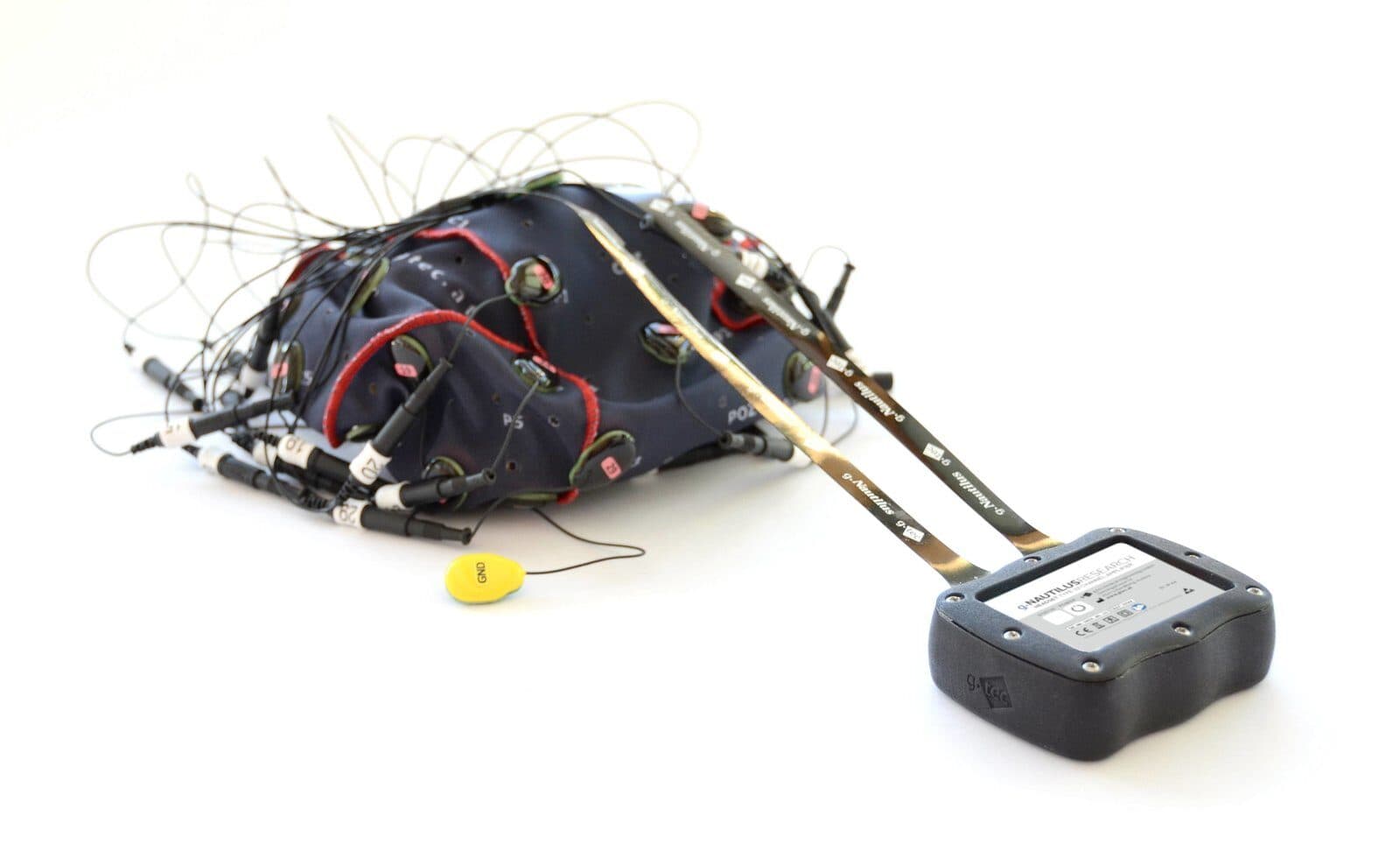
g.Nautilus Research delivers high-quality EEG under the vibration and motion of a vehicle. g.tec's own catalogue lists the “Automotive/Aerospace Neurophysiology Lab” as a dedicated lab set-up. It covers a wide range of applications, from the flight simulator to real vehicle tests and the high-acceleration simulator.
Driver monitoring

Detecting driver fatigue and attention.

Fatigue shows in EEG as increased power in the theta and alpha bands. g.tec's wearable EEG system monitors the driver's brain activity continuously in the vehicle and detects these changes in real time. A warning system can step in before behavioural signs appear.

EEG-based fatigue detection gives much earlier and more reliable results than indirect methods such as blinking or steering movements. Monitoring driver attention, drowsiness and cognitive load with millisecond precision has become the core method of in-vehicle neuroergonomics research.

  • Theta/alpha band analysis
  • Real-time
Aviation and space

Flight simulator, pilot and astronaut research.

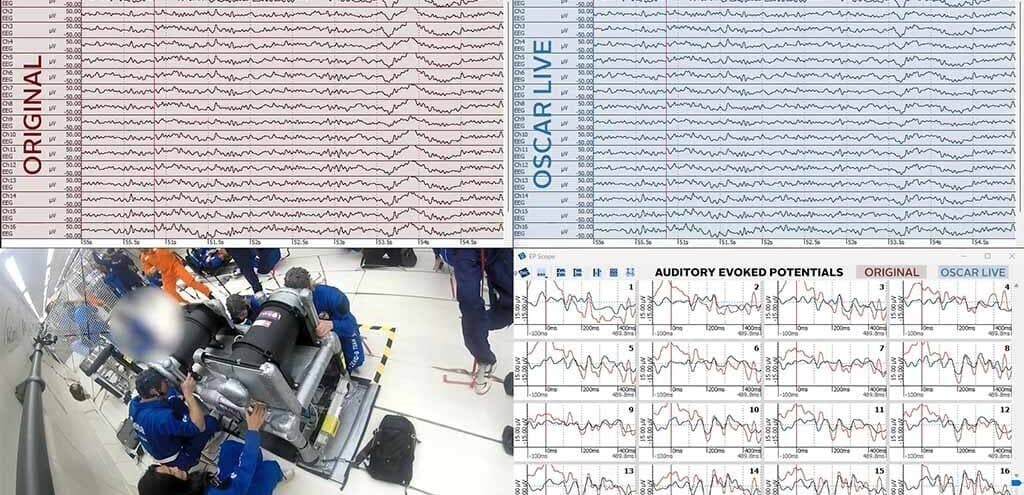
g.Nautilus Research is suited to EEG recording for pilots and astronauts in aircraft cockpits, flight simulators and high-acceleration simulators. Spatial disorientation is a major cause of aviation accidents; monitoring the pilot's brain activity with EEG allows disorientation to be detected early.

Pilot cognitive load, distraction and stress are measured objectively with EEG in complex flight scenarios. Because g.SAHARA hybrid active electrodes need no hair washing, they allow a quick set-up in operational aviation settings.

  • g.SAHARA hybrid
  • High-acceleration tolerance
Multimodal automotive research

EEG, eye tracking and video camera.

Working together with eye trackers and video cameras, g.Nautilus Research forms a complete platform for in-vehicle neuroergonomics research. Where the driver looks, for how long, and the brain activity at that moment are recorded simultaneously.

With the body sensor support of g.Nautilus Multi-purpose, ECG (heart rhythm), GSR (skin conductance) and respiration can be monitored alongside EEG. This multichannel physiological profile is used to assess driver stress management, HMI (human-machine interface) design and autonomous-vehicle takeover scenarios.

  • EEG
  • Eye tracker
  • ECG
  • GSR
Applications

EEG research scenarios in automotive and aviation.

The main studies you can run with g.tec's Automotive/Aerospace Neurophysiology Lab set-up.

Systems

The systems we recommend for this field.

Blog

Further reading

Applied research
Contact

Let's build your automotive neuroergonomics lab.

Our specialists will help you choose the EEG system and sensor combination that best fit your in-vehicle, simulator or aviation application.

Request a quote

Call us +90 554 381 46 20Serving all of Türkiye · reply within 24 hours on working days