EEGBCI & art
Art, Neuroscience and Technology
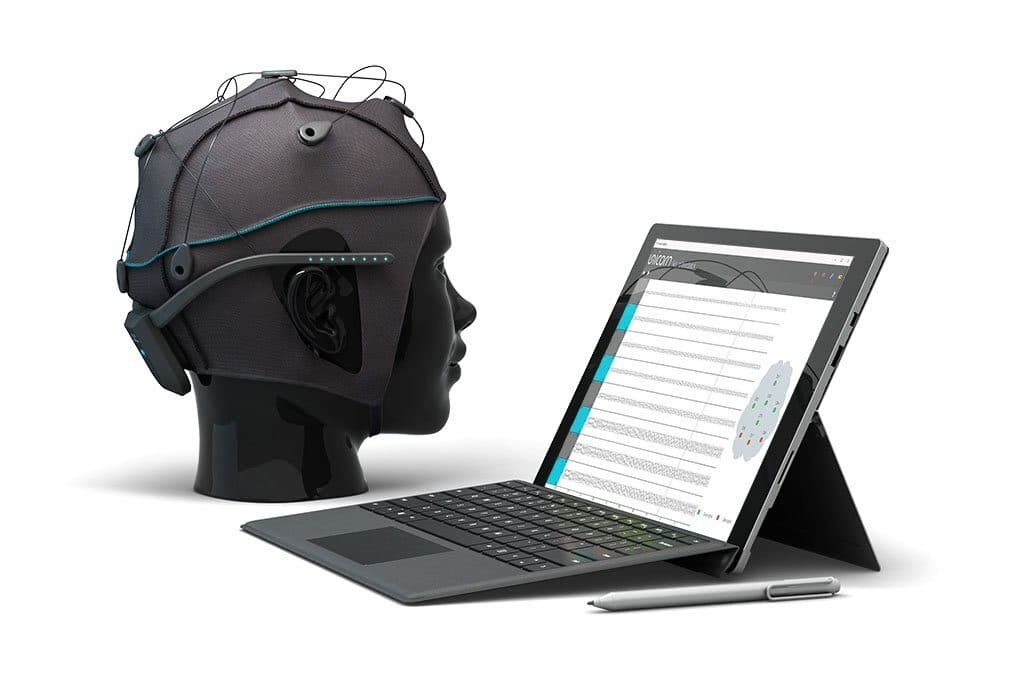
At the intersection of art, neuroscience and technology, Samuel Stubblefield’s Vitruvian Person project turns invisible neural activity into tangible sculptural form. g.tec’s Unicorn Hybrid Black EEG headset sits at the heart of this transformation.
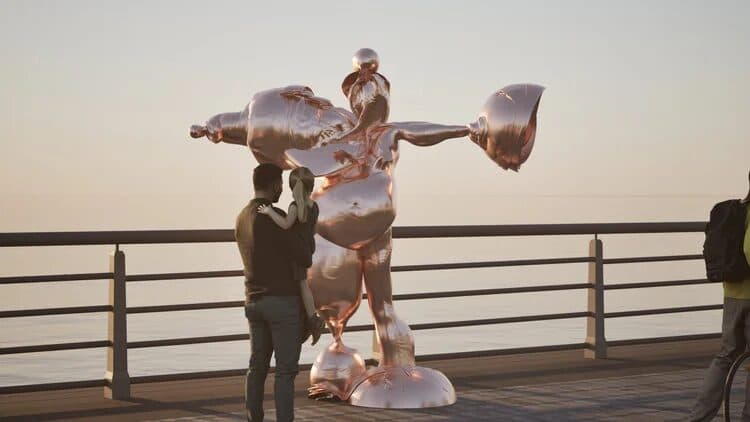
At the Intersection of Art, Neuroscience and Technology
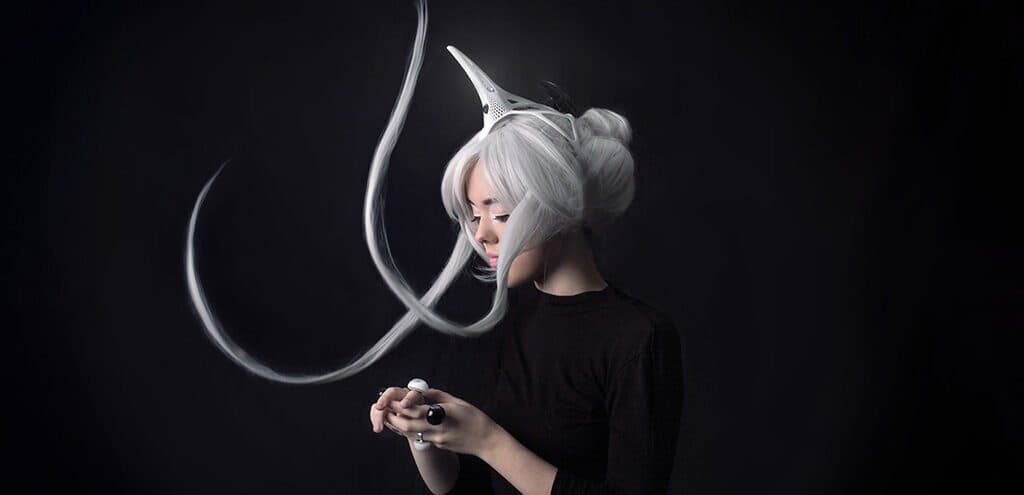
At the intersection of art, neuroscience and technology, Samuel Stubblefield’s Vitruvian Person project turns invisible neural activity into tangible sculptural form. Using g.tec’s Unicorn Hybrid Black wearable EEG headset, Stubblefield weaves the electricity of thought into metal, geometry and generative design. The result is a powerful exploration of how being human can be seen not only through physical form but also through the living patterns of the mind.
Turning EEG Signals into Sculptural Data
I want to find new ways for us to see each other and ourselves.
The project has each participant wear the Unicorn Hybrid Black EEG headset while taking part in a photo shoot and a 3D body scan. The device records brainwave activity in real time, building a rich dataset of neural signals.
Rather than staying in spreadsheets or lab notebooks, these brainwaves become an artistic tool. Through custom machine learning algorithms, each person’s neural activity reshapes their own digital body scan. Subtle differences in brain activity — moments of focus, rest or emotional response — alter the geometry, leaving a unique, deeply personal sculptural fingerprint.
Taking BCI Beyond the Lab
Brain–computer interface (BCI) technology has long been associated with clinical and research settings. By bringing the Unicorn Hybrid Black headset into the studio, Stubblefield extends the reach of BCI into culture and the public imagination. The project shows that BCI can do more than decode thought: it can spark empathy, reveal inner states and remind us of both the diversity in every neural pattern and our shared humanity.
Bringing EEG signals together with traditional metal casting techniques yields works that are at once futuristic and timeless. These BCI-born sculptures are not images generated by artificial intelligence: they are works created from real biometric data, from the neural signatures of real people.
Brainwaves, Algorithms and Sculptures
Vitruvian Person builds on Stubblefield’s earlier collaborations with Grammy-winning musicians, the Brooklyn Youth Chorus and New York’s Metropolitan Opera. In those projects, EEG signals were used to generate music in real time. Now this interdisciplinary ethos continues in sculptural form:
- The EEG headset records each participant’s neural signals
- Machine learning interprets these signals to reshape the 3D scans
- Traditional casting makes the fleeting sparks of thought permanent
Realised with the support of partners such as the Smithsonian Institution, MASS Design and Cynthia Reeves Gallery, the project pushes the boundaries of what art and technology can achieve together.
The Future of Brain-Driven Creativity
With 200% of its production footprint carbon offset, Vitruvian Person also carries a concrete commitment to sustainability. It is a reminder that technological innovation and environmental responsibility can coexist in creative practice.
Realised for Hudson River Park, the project shows how BCI technology can be taken beyond the lab and into cultural spaces. These sculptures are not mere objects: they are mirrors that make the invisible currents of the human mind visible for everyone to witness.