BiosignalsMental health
How Are Biosignals Helping Us Understand Mental Health?
What if we could measure stress, anxiety and emotional states — just as we measure a heartbeat? Biosignals are beginning to make exactly that possible.
World Mental Health Day, marked every year on 10 October, reminds us that our minds deserve at least as much care as our bodies. But what if we could measure stress, anxiety and emotional states — just as we measure a heartbeat or a step count? Biosignals are beginning to make exactly that possible.
How do biosignals relate to mental well-being?
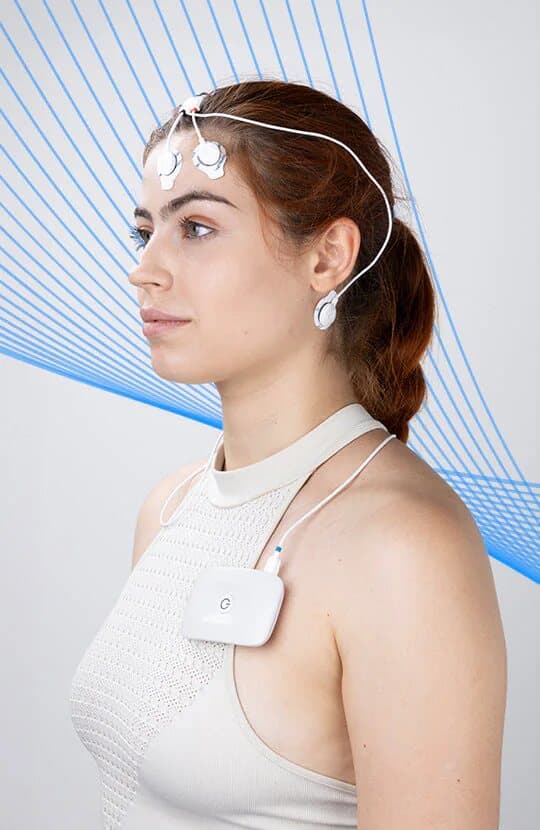
Biosignals are electrical or physiological signals that reflect how the body is working. When it comes to mental health, some signals let us see in real time what is happening beneath the surface:
- EDA
- Measures changes in skin conductance; often associated with stress.
- Heart / HRV
- An indicator of how the body responds to emotional states.
- Respiration
- Breathing rhythm quickens with anxiety and slows with calm.
- EMG
- Captures subtle muscle tension, especially in the face and shoulders.
- Movement
- Reveals restlessness or stillness; often linked to mood.
Taken together, these signals help paint a picture of an emotional state that we often fail to notice even in ourselves.
How are they used to support mental health?
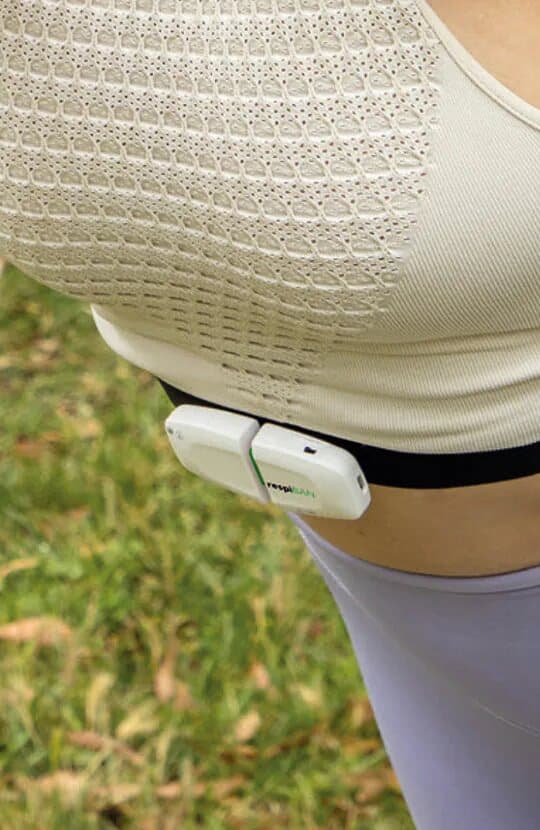
With advances in wearable devices and mobile apps, biosignals are becoming part of everyday well-being strategies:
- Breathing exercises
- Breathing routines adjusted in the moment to heart rate or skin conductance make relaxation more personal and effective.
- Sleep / recovery
- Changes in HRV and breathing during sleep can reveal early the patterns linked to burnout or chronic stress.
- Clinical / research
- In therapy and studies, they help track how people respond to treatment or to stress, and support decisions with objective data.
Why does this matter?
Mental health difficulties are on the rise in a busy, always-connected age, and access to support is not always easy. Biosignals add an extra layer here: real-time awareness.
Let us stress one important point: biosignals do not replace specialists and professional support. But they can help us notice changes early, manage symptoms through the day and better understand how mind and body respond to life. For researchers, they open the door to more accurate, large-scale studies of stress, anxiety and emotion regulation.
If you are struggling personally, biosignal devices are no substitute for professional help. Reaching out to a mental health professional is the right step.